

Thanksgiving Turkey Leftovers: What to Make After the Big Meal
Thanksgiving Turkey Leftovers: What to Make After the Big Meal
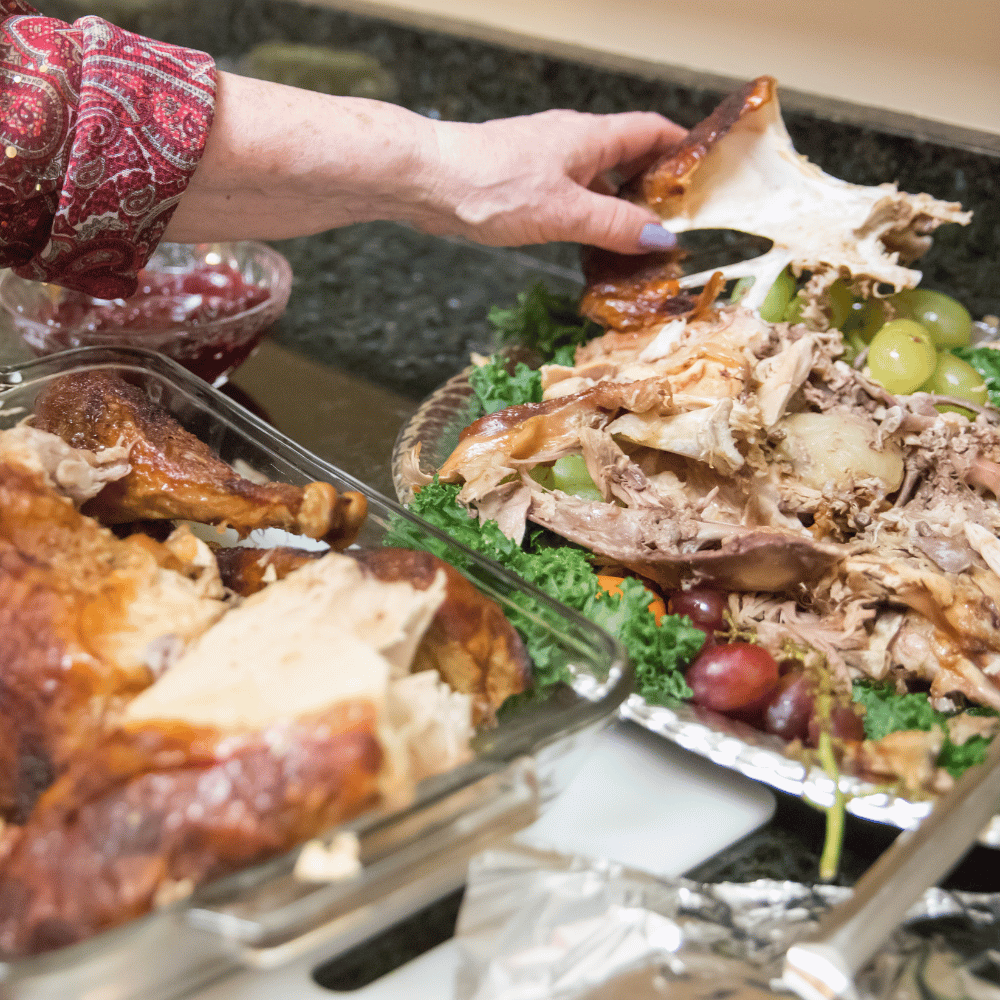
The big meal is over, the serving dishes are coming back to the kitchen, and there’s still plenty of turkey. Tomorrow's lunch looks very promising.
A pasture-raised turkey takes care and time to raise. Making good use of it feels like a fitting way to finish the holiday: sandwiches from the slices, a cozy dinner from the smaller pieces, and stock from the bones.
You don’t need a week of elaborate cooking projects. Start by putting everything away safely, choose a meal or two you’re excited to eat, and freeze the rest for another day.
Put the leftovers away before settling in

Refrigerate perishable leftovers within two hours of cooking or coming off hot holding; make that one hour if the temperature is above 90°F. Don’t wait for everything to reach room temperature.
Remove turkey meat from the carcass and divide it, stuffing, and sides among shallow containers. Refrigerate promptly at 40°F or below. Save the carcass in the refrigerator too, or freeze it for later stock. Hot food can go directly into the refrigerator in small, shallow portions.
Use refrigerated cooked turkey and most cooked sides within three to four days. Freeze portions you won’t finish in that window. Label containers with the original cooking date, and don’t treat a new recipe as a fresh start for older leftovers.
Discard perishables left out too long; a good smell doesn’t establish safety. Reheat leftovers to 165°F throughout, checking with a thermometer. Bring reheated soup, gravy, and sauces to a rolling boil. See USDA leftover food-safety guidance for more detail.
Start with the turkey sandwich

There’s a reason this one comes first. Layer sliced turkey onto good bread or a leftover roll with cranberry sauce, mayonnaise or mustard, and something crisp. Lettuce, thinly sliced apple, or a few pickles keep the sandwich from feeling like another heavy dinner.
For a warm version, reheat turkey with a splash of broth or gravy until it reaches 165°F, then spoon it onto toast. Add a little reheated stuffing if you like, and serve with a fork. Keep the cold ingredients refrigerated until you’re ready to build your sandwich.
Set aside the slices you want for lunch before chopping the rest for other meals. A small amount of planning now saves rummaging through three containers later.
Make a turkey pot pie with what you have
Pot pie is especially useful for the little pieces left after carving. Chopped white and dark meat both work, and the vegetable drawer can help fill out the pan.
Soften onion, carrot, and celery in butter. Stir in flour to make a thickener, then gradually add broth and simmer until you have a sauce that coats a spoon. Fold in chopped turkey and cooked vegetables, such as peas, green beans, or roasted carrots. Leftover gravy can replace some of the sauce; taste before adding salt.
Transfer to a baking dish and top with pastry or biscuits, using a trusted pot pie recipe for the topping and oven temperature. Bake until the topping is fully cooked and the center of the filling reaches 165°F. Check under the crust with a thermometer; a browned top alone won’t tell you the filling is ready.
Pat’s Chicken Bone Broth is handy when you need more liquid than your leftovers provide. Keep the filling creamy enough to spoon, rather than packing the dish with dry meat and vegetables.
Save the carcass for turkey soup

Turn the bones into stock
Once you’ve removed the usable meat, put the promptly refrigerated carcass in a stockpot with onion, carrot, celery, and a few herb stems. Add water to cover, bring to a boil, then reduce to a gentle simmer for about two to three hours. Add water as needed to keep the bones mostly covered. Strain carefully through a fine-mesh sieve and discard the bones and spent vegetables.
Use clean vegetable trimmings saved during meal prep, such as carrot ends and parsley stems. Skip spoiled scraps and anything collected from diners’ plates. If you won’t make stock soon, freeze the carcass while it’s still within its safe storage window.
Build a simple soup
Cook fresh chopped vegetables in the stock until tender, then add turkey and cooked noodles, rice, or beans. Heat the turkey through to 165°F. Finish with parsley and a squeeze of lemon, tasting before you salt.
Cook noodles separately if you plan to save some soup; they can soak up a surprising amount of broth overnight. If stock-making isn’t on the agenda, start with turkey or chicken bone broth and make the same easy soup.
Cool extra stock quickly in an ice-water bath or divide it into small, shallow containers and refrigerate promptly. Don’t leave a large pot on the counter overnight. Freeze portions you won’t use soon, and apply the storage and reheating guidance above to finished soup.
Put turkey hash on the breakfast table
Leftover roasted potatoes are halfway to a good skillet breakfast. Dice them, then cook with chopped onion in a little oil or butter until the edges start to crisp. Add chopped turkey and a handful of cooked Brussels sprouts or other sturdy vegetables.
If the mixture seems dry, add a splash of broth, cover briefly, and heat until the turkey reaches 165°F. Uncover to let excess moisture cook off. Serve with Pat’s eggs, cooked with firm whites and yolks, or scrambled until set.
No roasted potatoes left? Start with freshly cooked diced potatoes. A spoonful of cranberry sauce on the side is surprisingly good with the savory skillet.
Give mashed potatoes a second job
A shepherd’s-pie-style turkey bake uses up several containers at once. Mix chopped turkey with gravy and cooked vegetables in a baking dish, then spread mashed potatoes over the top. Run a fork across the potatoes to make ridges that can brown.
Bake using a trusted casserole recipe as your guide, until the center reaches 165°F. If the top browns first, cover it loosely while the filling finishes heating. Mashed sweet potatoes work too, especially over a filling with mushrooms and thyme.
This is a useful place for small amounts of different vegetables. Keep the mixture loose enough to spoon, and add a little broth if the gravy has thickened in the refrigerator.
Freeze a future dinner while it still tastes good
Choose freezer portions early, while the turkey is still moist and you know how long it has been stored. Pack sliced or chopped meat in meal-size airtight containers or freezer bags, removing excess air. A little broth helps protect it from drying out. Freeze gravy separately if that makes it easier to portion later.
Label each package with its contents, cooking date, and freezing date. Keep your freezer at 0°F or below. For best quality, plan to use frozen leftovers within three to four months; food kept continuously frozen at 0°F remains safe longer, though quality declines.
Thaw portions in the refrigerator, then reheat thoroughly. Avoid thawing on the counter. Freeze small quantities so you can take out just what you need for sandwiches, soup, or a quick dinner.
Use more of the bird with less extra work
A manageable leftovers plan might be sandwiches the next day, pot pie or hash over the weekend, and a few labeled portions in the freezer. Save the bones even if you aren’t ready to make stock. Future-you can decide when it’s soup weather.
Using the whole bird also means noticing what’s already in the kitchen: the half onion, a handful of herbs, the last spoonful of gravy. Those small amounts often become the start of a very good meal. Keep food safety in charge, though; reducing waste never means rescuing food that has been stored too long or left out unsafely.
At Pat’s Pastured, caring about food begins with the animals and the land. We’re glad when that care carries into your kitchen, from the holiday platter to a bowl of soup a few days later.
Still planning the big meal? Visit our pasture-raised turkey page and keep our turkey cooking tips close by. A good Thanksgiving dinner can leave you with a few good dinners still to come.
Build the rest of your holiday table with our Farm-Fresh Holiday Menu.
---
Safety sources: USDA Leftovers and Food Safety; USDA Thanksgiving leftovers guidance; USDA Freezing and Food Safety.