

Why Should You Be Cooking with Beef Tallow?
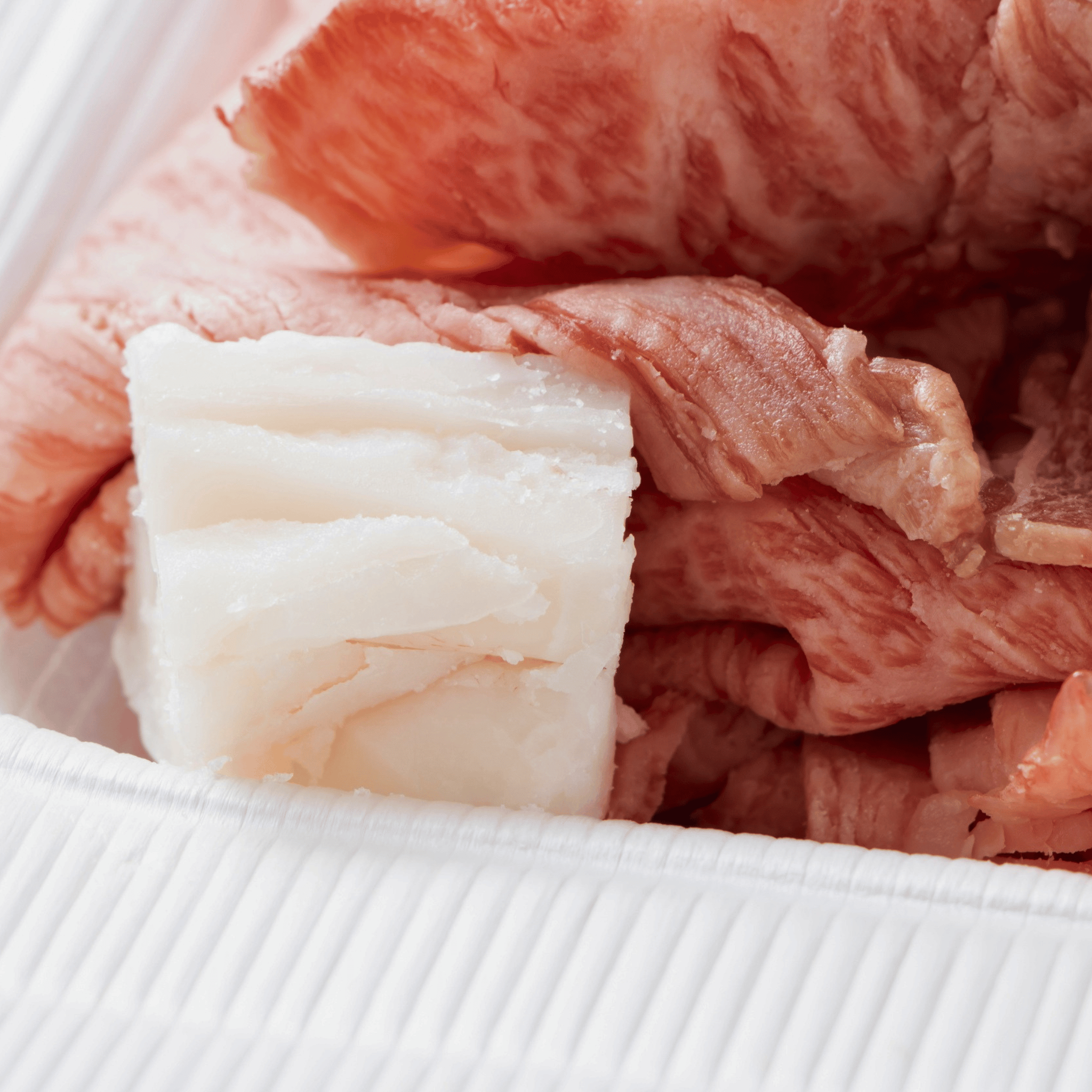
For generations, beef tallow was a staple in home kitchens. From crispy potatoes to flaky pie crusts, this traditional cooking fat was once prized for both flavor and function. Then, somewhere along the way, it was pushed aside in favor of highly processed vegetable and seed oils.
Today, more people are rediscovering beef tallow — and for good reason.
Whether you're looking to cook with more traditional ingredients, avoid heavily processed oils, or simply make your food taste better, beef tallow deserves a place back in the kitchen.
What Is Beef Tallow?
Beef tallow is rendered beef fat, typically made from suet — the nutrient-dense fat found around the kidneys and organs of cattle. Once slowly rendered and strained, it becomes a smooth, shelf-stable cooking fat with a rich flavor and high smoke point.
For centuries, tallow was commonly used for frying, roasting, sautéing, baking, and even preserving foods. It’s only relatively recently that industrial seed oils became the norm in modern cooking.
Why Are People Switching Back to Beef Tallow?
One of the biggest reasons people are turning back to beef tallow is ingredient simplicity.
Unlike many modern cooking oils, beef tallow is minimally processed and contains just one ingredient: beef fat.
Many consumers are becoming more conscious of ultra-processed foods and heavily refined oils, especially oils like soybean, canola, corn, and cottonseed oil that are commonly found in packaged foods and restaurant cooking. While everyone’s dietary preferences are different, there’s growing interest in returning to more traditional fats that have been used for generations.
For many people, beef tallow feels like a simpler, more natural option.
Beef Tallow Has a High Smoke Point
One practical reason to cook with beef tallow is that it performs extremely well under heat.
With a smoke point around 400°F, beef tallow is ideal for:
- Searing steaks
- Roasting vegetables
- Pan frying
- Griddling burgers
- Cooking eggs
- Crispy potatoes and hash browns
Because it’s stable at high temperatures, it’s less likely to break down compared to some delicate oils.
And as a bonus? It adds incredible flavor.
It Makes Food Taste Better
There’s really no way around it — beef tallow simply tastes good.
It brings richness and depth to foods without overpowering them. French fries cooked in beef tallow became famous for a reason, but it goes far beyond potatoes.
Try using beef tallow for:
- Roasted vegetables
- Smash burgers
- Cast iron cooking
- Grilled sandwiches
- Homemade tortillas
- Pie crusts
- Skillet cornbread
Even a small amount can elevate the flavor of everyday meals.
Why Grass-Fed Tallow Matters
Not all tallow is created equal.
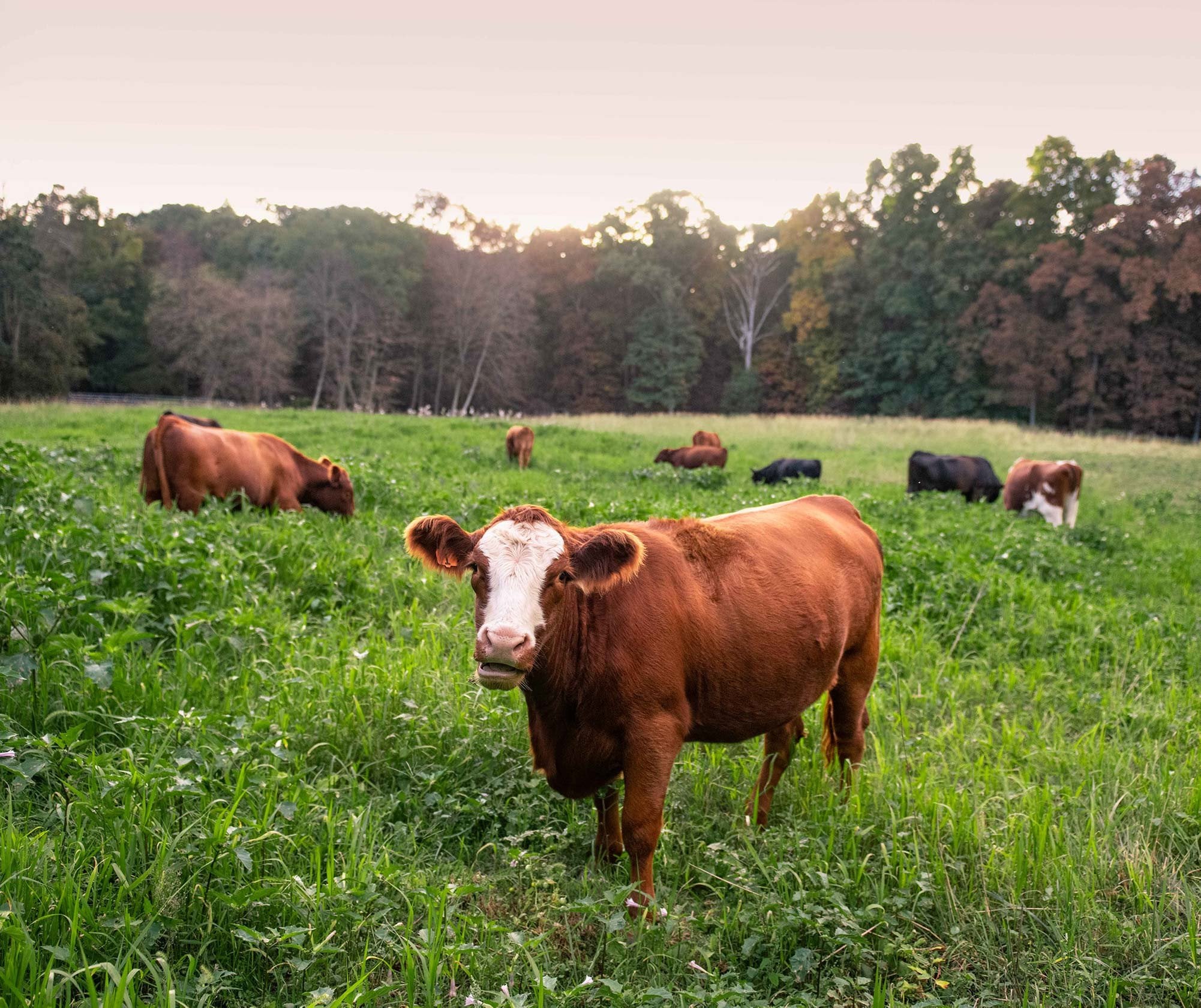
At Pat’s Pastured, our beef tallow comes from 100% grass-fed and pasture-raised cattle. We believe the quality of the animal’s diet and environment matters — not just ethically, but nutritionally and environmentally as well.
Our cattle are raised on pasture, allowed to express their natural behaviors, and managed in a way that supports living soils and regenerative farming practices.
For us, beef tallow isn’t just a cooking fat — it’s another way to use more of the animal with intention and respect.
Different Ways to Use Beef Tallow at Home
If you’re new to cooking with tallow, there are a few easy ways to get started.
Rendered Beef Tallow
Our traditional rendered beef tallow is ready to scoop and use for roasting, frying, sautéing, or seasoning cast iron cookware.
Beef Tallow Cooking Stick
Looking for convenience? Our beef tallow cooking stick works similarly to a push-up cooking oil stick and makes it easy to grease pans, coat griddles, or prep the grill without the mess.
Raw Beef Suet
Want to render your own tallow at home? Our grass-fed beef suet is the traditional starting point for homemade tallow and can also be used in classic recipes, baking, or wildlife feeding.
Bringing Traditional Foods Back to the Kitchen
Cooking with beef tallow isn’t about chasing trends — in many ways, it’s about returning to ingredients our grandparents would recognize.
Simple ingredients. Real food. Less processing. And sometimes, the old ways still make the best meals